

When it comes to leadership, technical skills open the door, but emotional intelligence keeps it open.
That was the focus of a recent conversation between Amit Sidana, founder of Corporate Stalwarts, and Dr Vikram Satyarahi, an organisational psychologist and leadership coach known for his work in emotional and behavioural transformation.
Together, they explored what’s quietly shaping today’s workplaces, the role of emotional intelligence in leadership and how it separates great managers from genuine leaders.
Beyond Skills: The real leadership gap
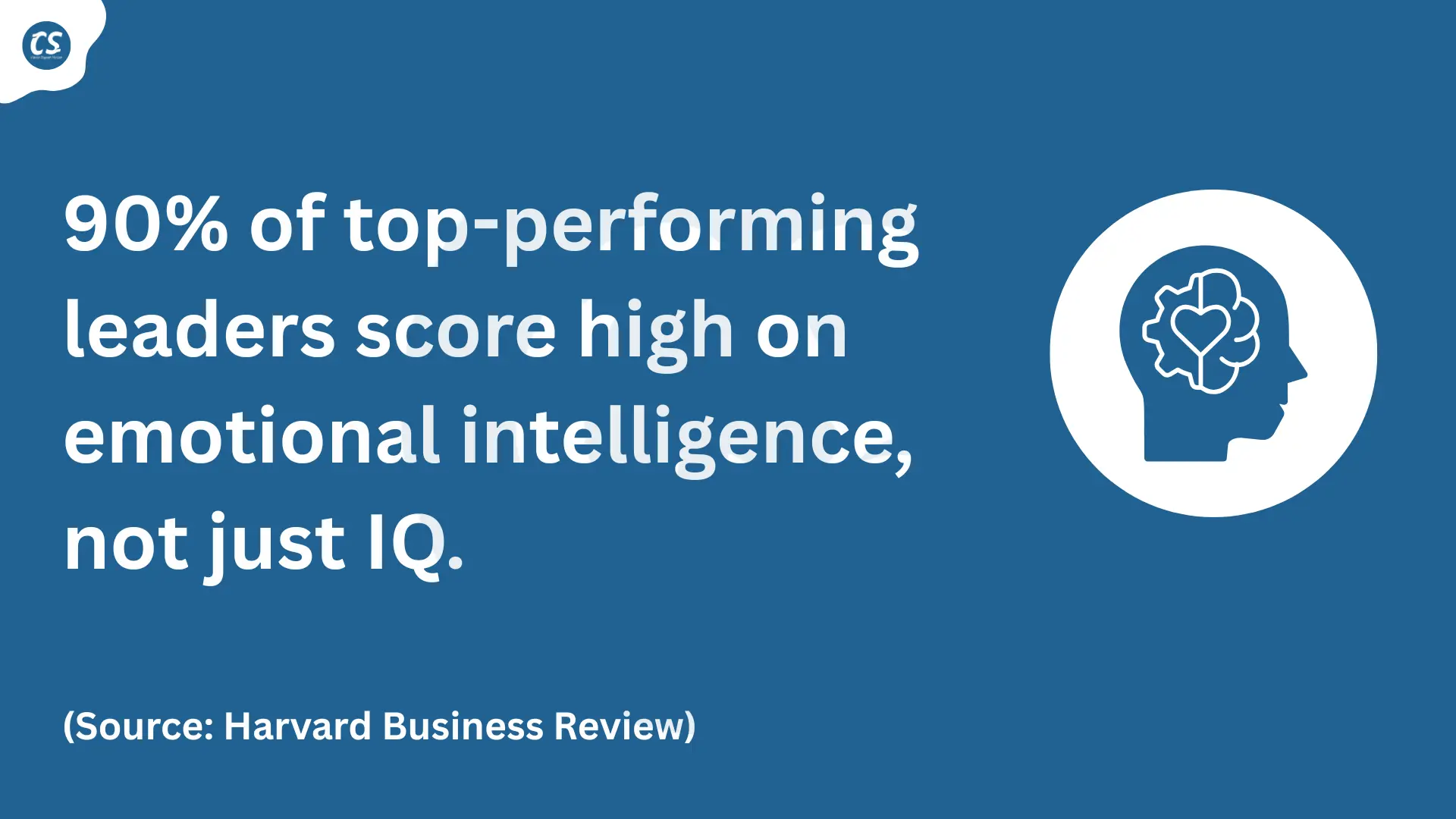
Dr Satyarahi explains that hard skills can open the door for you, but attitude, behaviour, and soft skills are what keep it open.
After decades of working with corporates and leaders, he has seen that most people don’t fail because they can’t perform. They struggle because they can’t connect.
Key points:
- Organisations invest heavily in hiring and training, but losses happen when attitude or behaviour issues emerge.
- The gap between technical skill and emotional awareness keeps cultures stuck and teams disengaged.
- Emotional intelligence addresses the human side that technical training cannot.
When leaders see the person, not just the role
Dr. Satyarahi recalls a story from one of his training sessions. A manager approached him about a high-performing employee who had suddenly become distant. The manager said something wasn’t right, and after a conversation, he realised the issue wasn’t professional but personal.
- The employee wasn’t struggling at work but with life.
- Empathy and support helped her regain balance.
- Her performance improved naturally.
This shows that emotional intelligence recognises the person behind the performance.
Emotional intelligence can be taught
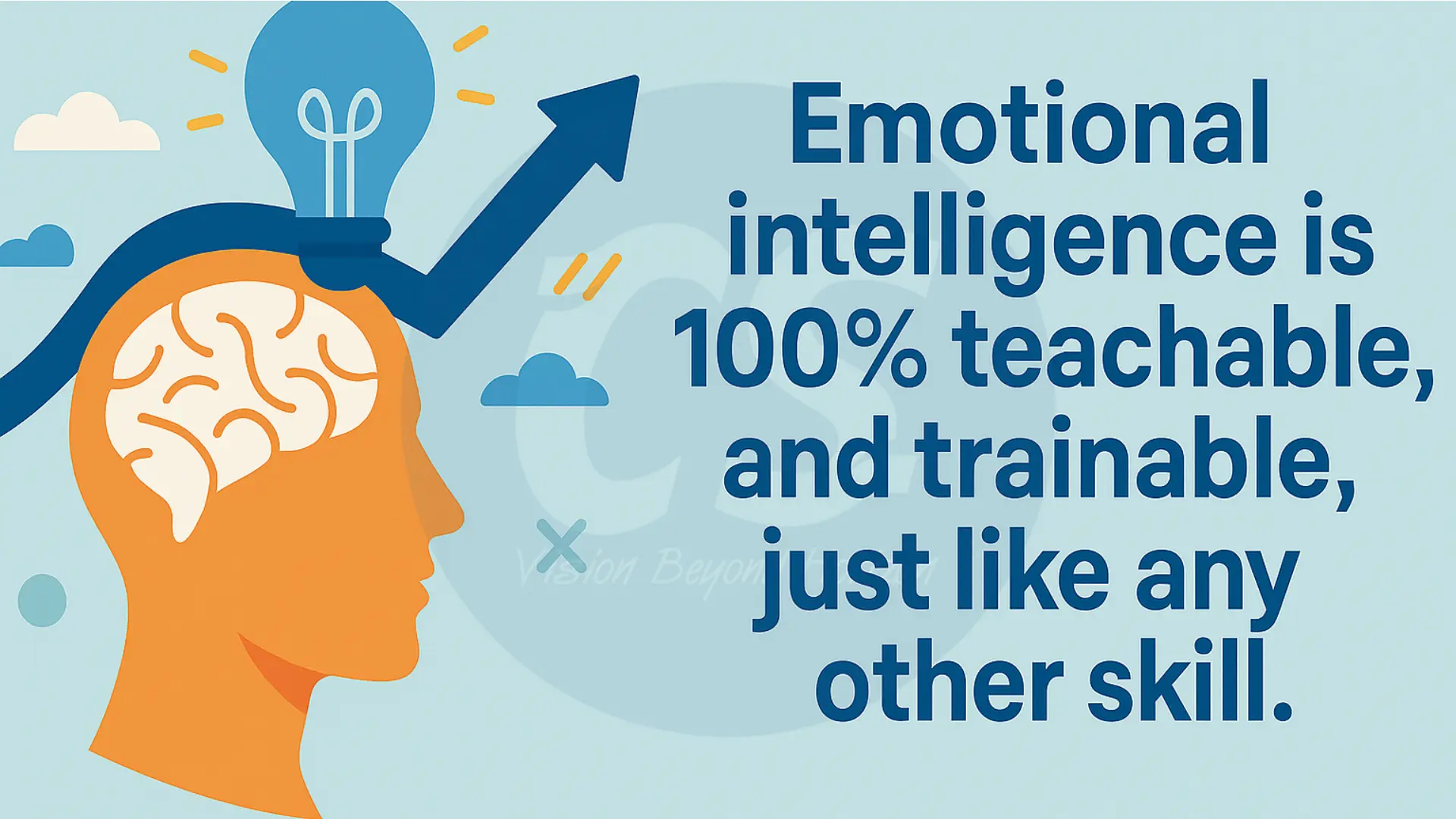
Many leaders believe emotional intelligence is an inborn trait, but Dr. Satyarahi disagrees. He says it is 100% teachable and trainable, just like any other skill.
Leadership development, in his view, is a process. You can mentor and coach behaviour, attitude, and awareness. It just takes time and consistency.
Benefits of teaching EI in leadership:
- Shifting focus from only technical training to building human capacity.
- Coaching self-awareness, empathy, and communication.
- Mentoring behaviour and attitude consistently over time.
Bridging the generational gap
Today’s workplaces combine very different generational mindsets.
Senior leaders grew up with struggle and patience. Younger professionals grew up with comfort and speed.
These differences often create friction, but emotional intelligence helps leaders.
Adapt to different values and work styles, include and communicate effectively across generations, and focus on collaboration rather than conflict.
Growing in title vs. Growing in mindset
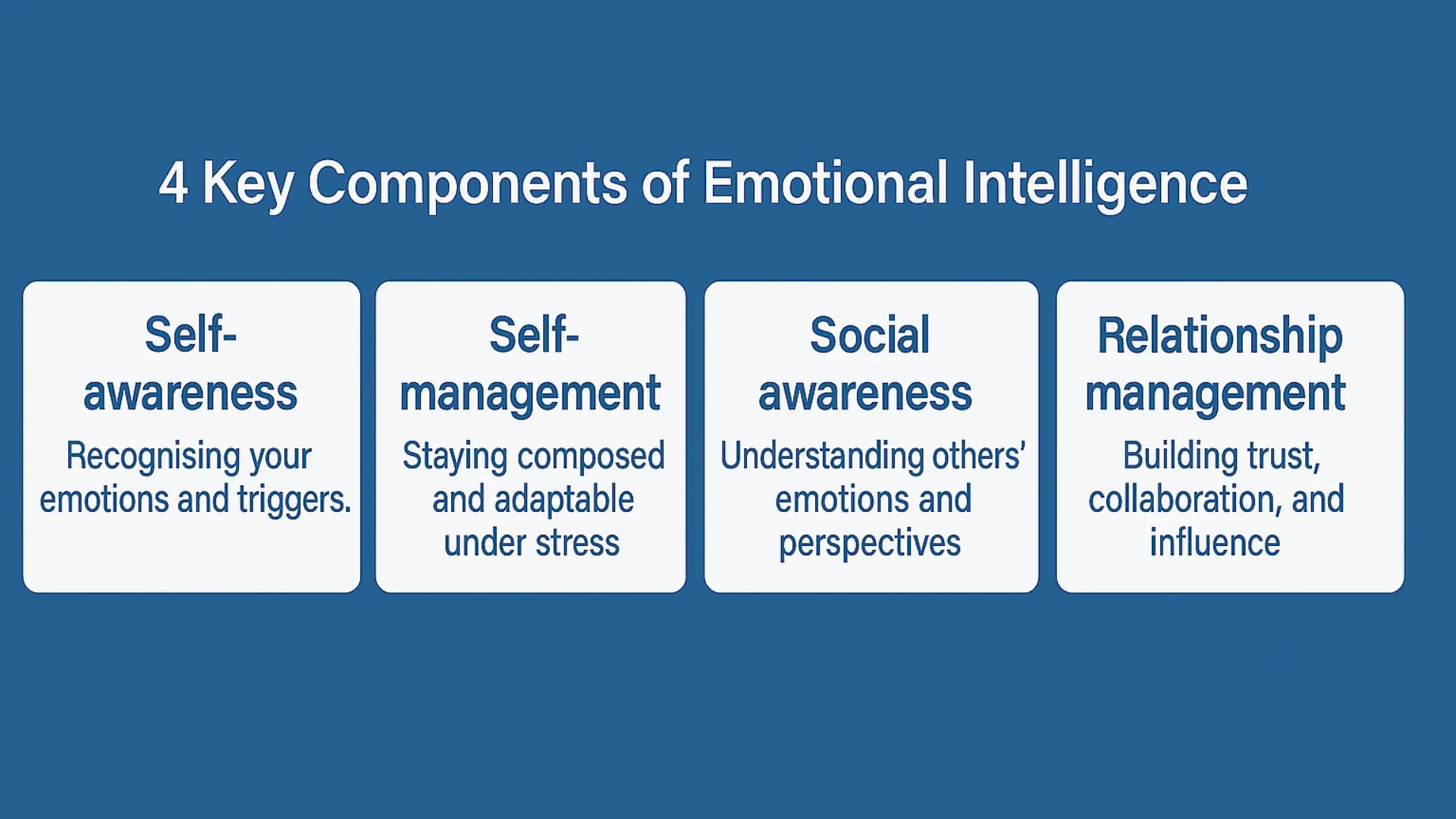
Dr Satyarahi points out that many professionals rise in title but not in mindset. They know how to manage systems but not people. They are comfortable with familiar personalities but resist those who challenge their style.
Amit Sidana adds that leaders need to stop expecting ready-made teams. Key mindset shifts include:
- Building people, not waiting for perfection.
- Moving from control to cultivation.
- Prioritising learning and development over authority.

Corporate Stalwarts is a trusted recruitment firm with 20+ years of expertise in executive search and leadership hiring.
We’ve placed 10,000+ candidates across 600+ companies in FMCG, Manufacturing, IT, Pharma, and more. Our 1M+ candidate pool and 48-hour turnaround enable fast, high-quality hiring solutions.
We help businesses build high-performance teams with precision, speed, and industry expertise.