


She would shine one day and shut down the next. Her performance felt inconsistent, almost as if two different people were showing up to work.
When Dr Satyarthi spoke with her, the real story emerged: she was struggling with intense family issues back home. The emotional weight she carried affected her focus and productivity, not because she lacked skill, but because she was simply human.
That one conversation reflected what happens across countless workplaces.
When leaders lack emotional awareness, they often see behaviour, not the person behind it. And that difference. The ability to notice, understand, and respond with empathy often separates capable managers from truly effective leaders.
Because when emotionally intelligent hiring becomes part of leadership, the story changes.
What is Emotionally Intelligent Hiring?
Emotionally intelligent hiring means looking beyond resumes. It’s the art of assessing not just what leaders can do but how they’ll lead.
Being emotionally intelligent means identifying candidates who can manage pressure, read people, and balance empathy with accountability.
It’s not just about how leaders act but how they make others feel.
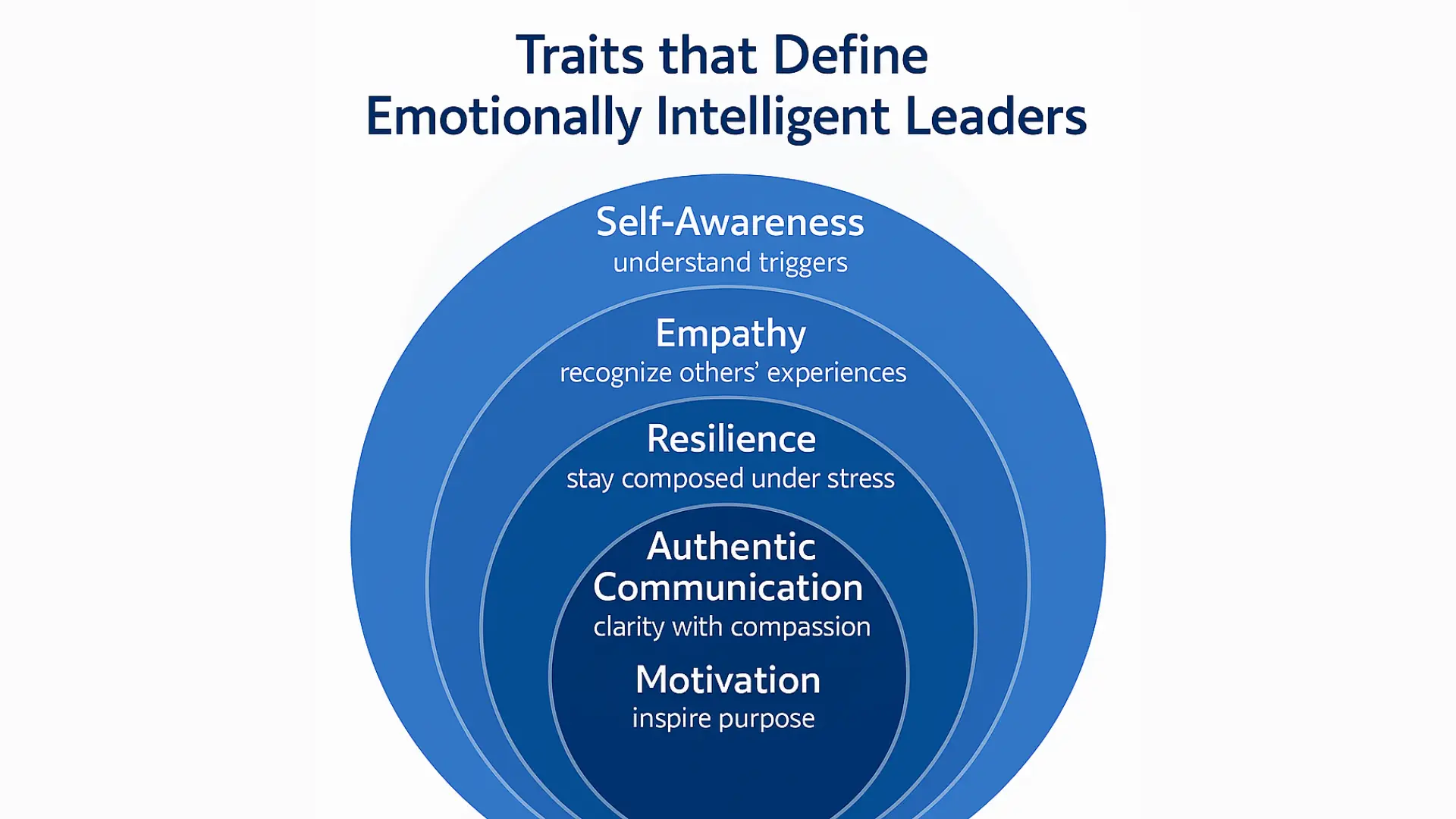
Key traits assessed through emotionally intelligent hiring include:
- Self-awareness: understanding one’s triggers and emotions.
- Empathy: recognising what others are experiencing.
- Resilience: staying composed under stress.
- Authentic communication: clarity with compassion.
- Motivation: inspiring purpose in the team, not just performance.
When these traits guide leadership behaviour, teams feel psychologically safe, and performance follows naturally.
Why many Leadership Hires still struggle to fit
At Corporate Stalwarts, we often see this challenge: a candidate looks perfect on paper but struggles once hired.
They have the right experience but lack the emotional depth to build trust or adapt to new dynamics.
As Dr Satyarthi noted, “It wasn’t an issue of her skill; it was about balance.”
Organisations can’t rely solely on technical evaluation. The real “right fit” goes beyond competence; it lies in emotional compatibility.
Why the Right Fit goes beyond skills
Emotionally intelligent hiring focuses on fit rather than just fitment.
It asks: Will this person strengthen our culture or strain it?
- Cultural alignment: Leaders must resonate with organisational values, not just goals.
- Emotional adaptability: Every team and situation demands a different kind of empathy.
- People connection: Leadership success depends on how well one engages, not just executes.
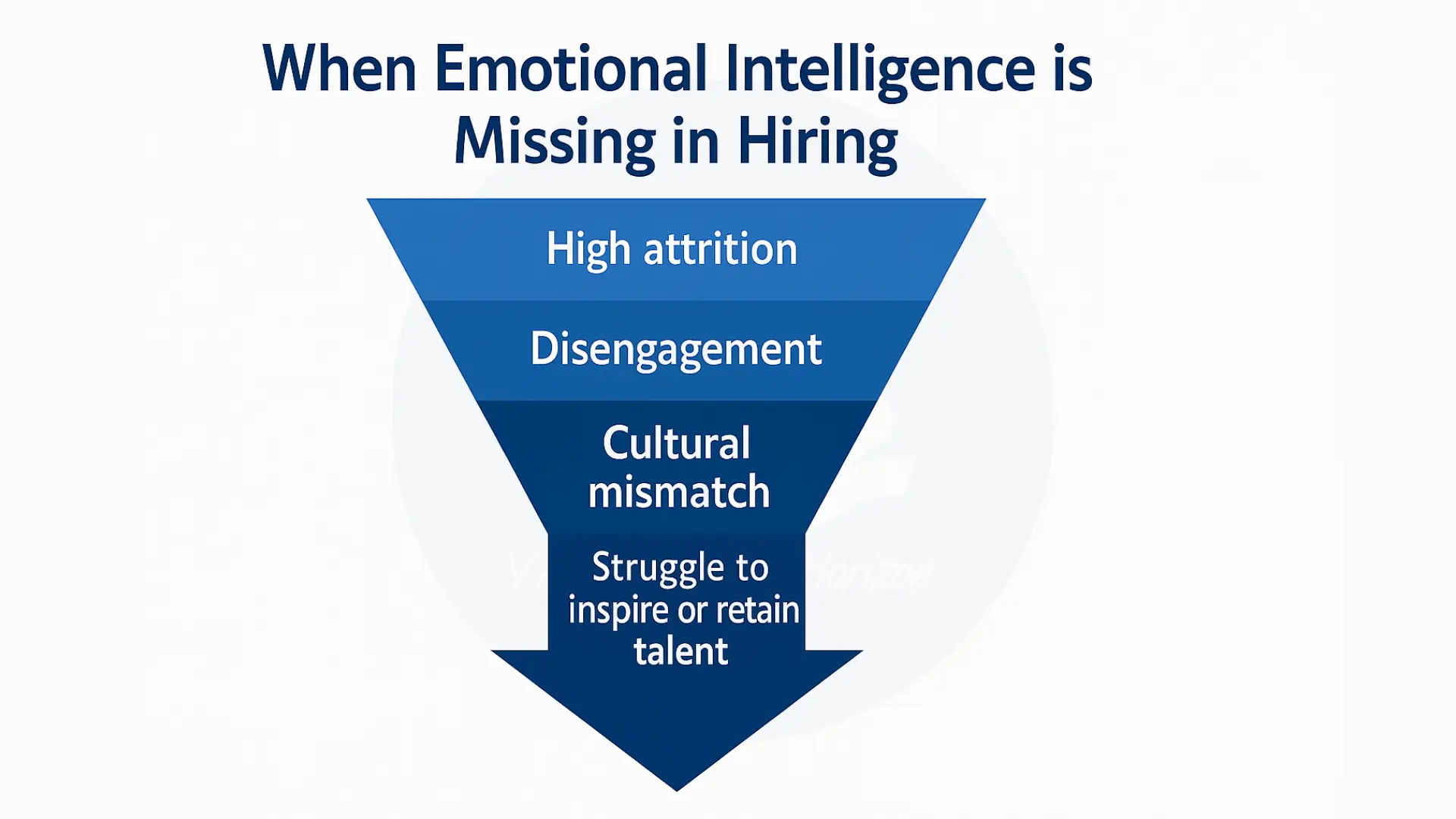
Ignoring these factors leads to attrition, disengagement, and costly mismatches.
How Emotionally Intelligent Hiring Strengthens Leadership
When emotionally intelligent hiring becomes part of leadership recruitment, the results are transformative.
Leaders with high emotional intelligence build trust, manage uncertainty, and maintain morale: qualities that sustain organisations through transformation.
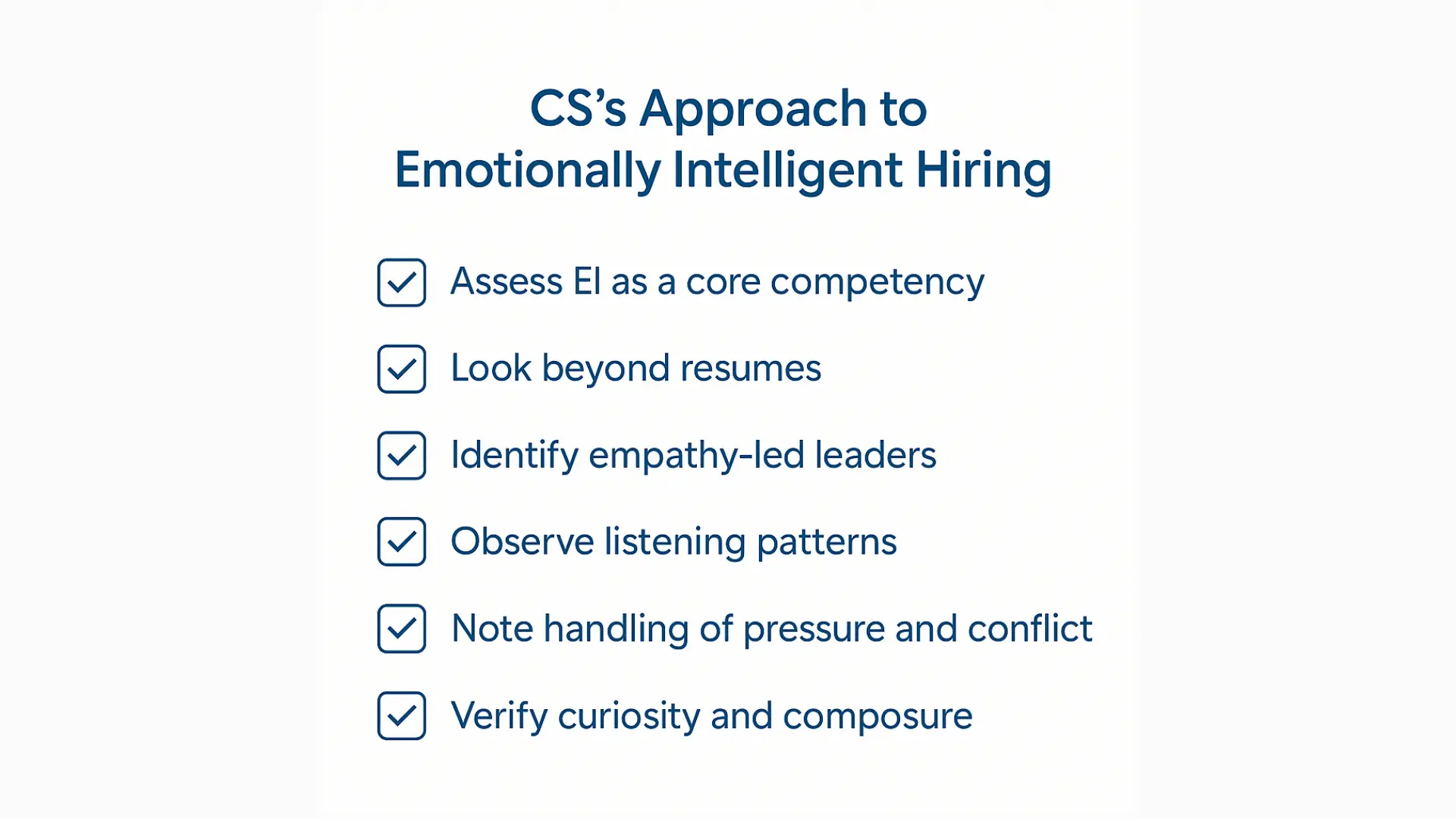
At Corporate Stalwarts, we assess emotional intelligence as a core leadership competency.
Our executive search process looks beyond credentials to identify leaders who can inspire through empathy and authenticity.
How we identify emotionally intelligent leaders:
- Observe listening patterns — do they listen to reply or understand?
- Assess composure under pressure — do they stay calm in chaos?
- Note conflict style — do they aim to win or resolve?
- Sense their curiosity — do they seek to learn, not just to lead?
These small signals tell us how a leader will act when real challenges unfold, when they must balance business outcomes with human realities.
Workplace Success through Emotional Intelligence
Leadership is no longer about command and control; it’s about connection and compassion.
Emotionally intelligent hiring has become the foundation of sustainable performance.
Emotional intelligence drives:
- Employee retention: People stay where they feel understood.
- Cultural cohesion: Teams thrive when leaders communicate openly.
- Performance sustainability: Emotional awareness prevents burnout and disengagement.
And as Dr Satyarthi points out, improvement must be mutual. Both employers and employees need to evolve together; one building culture, the other building capability.
The Future of Leadership Hiring
The way we define “right fit” is changing. It’s no longer just about being capable; it’s about being compatible.
A leader who understands emotions, manages their biases, and connects authentically can transform not just results but also people.
At Corporate Stalwarts, we don’t just help you hire leaders; we help you find leaders who truly fit.
Watch the conversation that’s shaping modern leadership, and reach out to us to bring these insights into your workplace culture.

Corporate Stalwarts is a trusted recruitment firm with 20+ years of expertise in executive search and leadership hiring.
We’ve placed 10,000+ candidates across 600+ companies in FMCG, Manufacturing, IT, Pharma, and more. Our 1M+ candidate pool and 48-hour turnaround enable fast, high-quality hiring solutions.
We help businesses build high-performance teams with precision, speed, and industry expertise.